


BLOG
From the REACH Blog
The latest evidence, clinical insights, and practical perspectives on pediatric mental health — written specifically for primary care clinicians.
Find Articles
x Clear all filters
Back to school for special populations
March 22, 2021
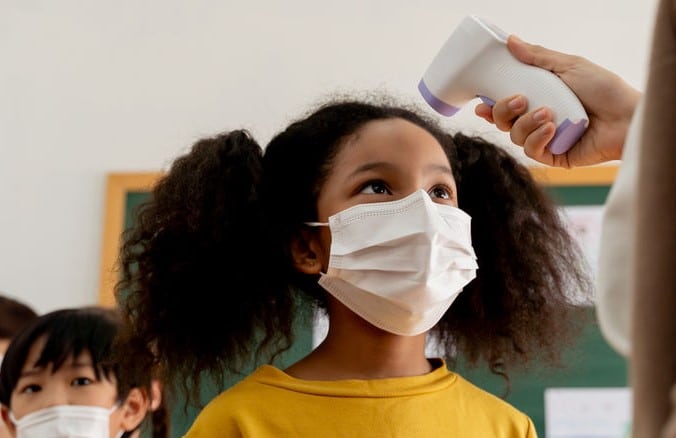
Although some schools have been open in person for months, some larger districts are just beginning to welcome students back on campus. Children, families, educators, and medical professionals have mixed feelings. To help you support different patient populations as they return to school, we talked to Jennifer Walton, MD, MPH, a co-author of a call for an “URGENT Coordinated Effort to Re-Open Schools” by the National Medical Association (NMA). Dr. Walton is chair of the NMA’s Pediatric Section, an assistant professor of clinical pediatrics at The Ohio State University, and a developmental behavioral pediatrician at Nationwide Children’s Hospital.
Read Article
Helping patients through divorce
February 22, 2021
“Parents who are going through a divorce really want to believe their children are OK,” said Lisa Blum, PsyD, a licensed clinical therapist on the faculty of The REACH Institute’s CATIE program. “They’re terrified that they’re hurting their kids. So if Sally is doing her homework and Johnny isn’t acting out, the parents think, ‘Whew, good, they’re fine!’ But often they’re not fine.” Though divorce rates in the US have been declining for years – including, according to early reports, during 2020 – the rates are still high. Each divorce or separation brings loss, disruption, and pain to any children involved.
Read Article
New coding guidelines for 2021
January 12, 2021
2021 brings big changes to coding for mental health visits in pediatric primary care! The new coding guidelines issued by the Centers for Medicare and Medicaid Services (CMS) reduce the documentation burden and increase the levels of payment (work relative value units or wRVUs).
Read Article
10 ways to help families through the holidays
November 17, 2020
If you’re like most pediatric primary care providers (PCPs), you’ve seen an increase in child mental health issues due to COVID. Research shows that the pandemic, with its consequent disruption and isolation, has increased adolescents’ risk of trauma, depression, and anxiety. Families are dealing with grief, the anxiety of whatever “school” means this week or this month, and, in many cases, loss of income. Families of color and low-income families have been hardest hit by the pandemic itself, by the economic and social fallout, and by the attendant impairment of mental health. And now come the holidays.
Read Article
Working with challenging families
October 13, 2020
You’re in the consultation room with Anita, who first brought her 15-year-old son Vic to you two weeks ago. Vic has been suspended from school several times for increasingly dangerous behavior. Anita uses a wheelchair because she has multiple sclerosis. Today she is distraught. Last night, she forbade Vic to leave the house, but he went anyway. He didn’t come home last night or go to school this morning. Anita has called everyone she can think of, but no one knows where he is. The police won’t help until he has been missing at least 24 hours. Anita has come to you as a last resort. When you saw Vic, you were troubled by his history of uncontrolled behavior and his uncooperative stance. You were hoping to get him to open up in a follow-up visit. But now Anita is here alone, frantic because she doesn’t know where Vic is. What do you do?
Read Article
Promoting healthy grief
September 16, 2020
COVID-19 has changed the way children experience the death of a loved one. Although difficult under any circumstance, bereavement is even harder when mourners can’t gather. Barriers to comforting mourning rituals and supportive social communities can make it harder for children to grieve in healthy ways, while increasing the risk for maladaptive grief reactions.
Read Article
Building family resilience
July 23, 2020
“Families provide a kind of protective membrane for children when crazy things are happening around them,” said William Saltzman, PhD. Dr. Saltzman is a faculty member of the REACH program Child/Adolescent Training in Evidence-Based Psychotherapies. “Families really have been on the front line throughout the pandemic,” Dr. Saltzman said. “It’s been a rollercoaster ride from the beginning, with abrupt school shutdowns; the exhaustion of becoming the 24/7 caregiver, teacher, playmate, and breadwinner; and now having to figure out largely on their own how to navigate the upcoming school year.”
Read Article
How to talk with patients about racism
June 29, 2020
Once pediatric primary care providers (PCPs) recognize the importance of having conversations about race with their patients and families, the next question is how to begin.
Read Article
Your patients need you to talk about race
June 23, 2020
“The first thing clinicians need to know about racism and discrimination is how important it is to talk about it.” Open, honest, and effective conversations about race and racism are crucial to young people’s mental health.
Read ArticleEvery Investment Gets More Children the Care They Need
From sponsoring a full training cohort to funding an individual scholarship, every dollar expands access to evidence-based mental health care in the communities that need it most.
Explore Ways to GiveBetter Mental Health Care Starts Here.
Get the latest research, training updates, and practical tools
delivered to your inbox. Join thousands of clinicians working to
improve pediatric mental health outcomes.
Follow us on LinkedIn

REACH has never been about sitting through a lecture and calling it professional development. At our inaugural Alumni Conference on September 26, you’ll go beyond the basics with practical, evidence-based strategies designed for immediate and sustainable…

Your patients spend most of their time at school. Learn to work with the systems and people they encounter there. REACH’s Collaborating with Schools in Pediatric Care program is for pediatric primary care clinicians, clinical psychologists,…

🎉 Please join us in congratulating REACH’s 2026 Patient-Centered Mental Health in Pediatric Primary Care (PPP) scholarship recipients! This year, REACH awarded full PPP scholarships to 45 clinicians serving high-need communities across the country, equipping them…

Helping children with mental health concerns can be complex, but you don't have to navigate it alone. REACHing Solutions is The REACH Institute's podcast for pediatric clinicians, featuring practical conversations, expert insights, and real-world strategies to…
GET IN TOUCH