
October 1, 2026
Thank you to our alumni community and supporters for joining us! Your dedication to children's mental health inspired us, and we're excited about what we can accomplish together over the next 20 years. 💚



Blog
ARCHIVE

December 14, 2023
“There is a lot of research on programs to help parents manage their children’s behavior. It is not complex for clinicians to learn key evidence-based principles and share them with parents, even in brief office visits,” explains Elena Man, MD, a board-certified pediatrician and faculty member at The REACH Institute. We asked Dr. Man to
Read Article
November 20, 2023
“Wait times to get a formal autism diagnosis from a qualified program range from six months to two years. It’s very frustrating for parents and their children who need services,” explains Dr. Mark Wolraich, MD, a REACH faculty member and retired professor of pediatrics at the University of Oklahoma Health Sciences Center.
Read Article
October 31, 2023
“The ADHD stimulant medication shortage is affecting patients, families, pharmacists, and clinicians,” explains Andrew Adesman, MD, a developmental pediatrician specializing in ADHD.
Read Article
August 25, 2023
REACH faculty, Dr Kowatch, emphasizes that it’s essential for caregivers to recognize the challenges that can arise when transitioning from summer to a more structured school routine. “Parents have got to anticipate there may be an adjustment period for the first week or two.”
Read Article
April 20, 2023
Rural healthcare providers can be overwhelmed—and understaffed with specialists. Discover how REACH inspired Elizabeth Wallis, M.D., to build a community to support her patients.
Read Article
October 20, 2021
Many patients who have mental health conditions need talk therapy in addition to the treatment you provide as the pediatric primary care provider (PCP). If you practice in an area where therapists are available, we hope you have developed referral relationships, as you learned in your REACH training. You may also see patients who are already working with a therapist. In either case, the communication between you and the therapist makes a huge difference in the quality of care the two of you provide. To learn how PCPs and therapists can collaborate to improve the mental health of children and adolescents, we talked with clinical psychologist Kevin Stark, PhD, a founder of The REACH Institute’s CATIE program, and pediatrician Hilary Bowers, MD, director of behavioral and mental health services at Children’s Primary Care Medical Group, a large pediatric practice in San Diego and Riverside counties in California.
Read Article
September 8, 2021
It’s 10:30 Monday morning, and you’re 45 minutes behind. Earlier, you had to confront a receptionist about coming in late again. You have to get out today by 4:30 so you can get to your daughter’s softball game. Beating under all this stress is worry about your mom, who has been diagnosed with stage 2B breast cancer.
Read Article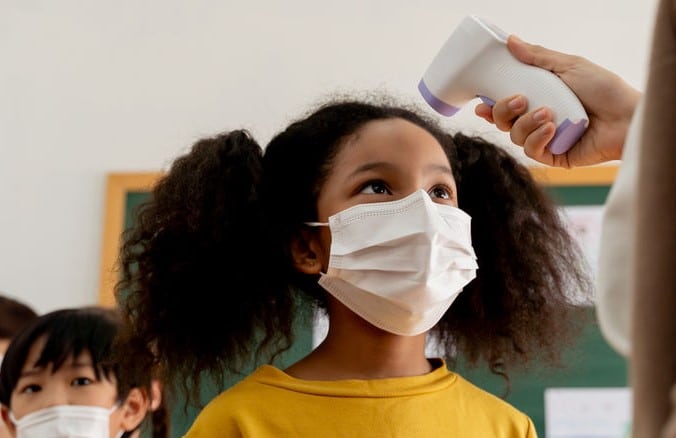
March 22, 2021
Although some schools have been open in person for months, some larger districts are just beginning to welcome students back on campus. Children, families, educators, and medical professionals have mixed feelings. To help you support different patient populations as they return to school, we talked to Jennifer Walton, MD, MPH, a co-author of a call for an “URGENT Coordinated Effort to Re-Open Schools” by the National Medical Association (NMA). Dr. Walton is chair of the NMA’s Pediatric Section, an assistant professor of clinical pediatrics at The Ohio State University, and a developmental behavioral pediatrician at Nationwide Children’s Hospital.
Read Article
October 13, 2020
You’re in the consultation room with Anita, who first brought her 15-year-old son Vic to you two weeks ago. Vic has been suspended from school several times for increasingly dangerous behavior. Anita uses a wheelchair because she has multiple sclerosis. Today she is distraught. Last night, she forbade Vic to leave the house, but he went anyway. He didn’t come home last night or go to school this morning. Anita has called everyone she can think of, but no one knows where he is. The police won’t help until he has been missing at least 24 hours. Anita has come to you as a last resort. When you saw Vic, you were troubled by his history of uncontrolled behavior and his uncooperative stance. You were hoping to get him to open up in a follow-up visit. But now Anita is here alone, frantic because she doesn’t know where Vic is. What do you do?
Read ArticleFrom sponsoring a full training cohort to funding an individual scholarship, every dollar expands access to evidence-based mental health care in the communities that need it most.
Explore Ways to GiveGet the latest research, training updates, and practical tools
delivered to your inbox. Join thousands of clinicians working to
improve pediatric mental health outcomes.
Follow us on LinkedIn
Thank you to our alumni community and supporters for joining us! Your dedication to children's mental health inspired us, and we're excited about what we can accomplish together over the next 20 years. 💚

Thank you to the dedicated clinicians who joined our inaugural Alumni Conference! It was a wonderful day of learning, connecting, and sharing ideas. It's always heartening to bring our community together, and it continues to inspire…

Suicide prevention is not limited to one setting or one type of clinician. Children and adolescents may first share concerns about their mental health with a trusted pediatrician or primary care clinician, making it especially important…

What happens when primary care clinicians are given more tools to address children’s mental health? This article from Cook Children’s Health Care System shares how REACH training helped equip pediatricians with practical tools to more confidently…
GET IN TOUCH