
October 1, 2026
Thank you to our alumni community and supporters for joining us! Your dedication to children's mental health inspired us, and we're excited about what we can accomplish together over the next 20 years. 💚



Blog
ARCHIVE

July 23, 2025
“Parents want to feel like they’re part of the solution for their child’s mental health needs. As pediatric primary care providers, we can help make that possible by being thoughtful in how we navigate cultural differences,” explains Noor Jihan Abdul-Haqq, MD, a REACH faculty member and pediatrician with her own practice in Oklahoma City, OK.
Read Article
October 24, 2024
“When a parent of color raises concerns about their child’s behavior, clinicians should always stop to assess for underlying disorders,” explains child and adolescent psychiatrist Brittainy Erby, MD. “I see many children and adolescents of color who have been diagnosed with a behavior disorder, but they actually have untreated ADHD.” The research reinforces what Dr.
Read Article
February 15, 2024
After learning about the alarming rise in suicide rates among Black children and adolescents, Brittainy Erby, MD, set out to understand the impact of racial trauma and how to improve pediatric patient care.
Read Article
February 16, 2022
Last week I saw two children, both African American, who were having suicidal thoughts. In neither case did the child or the parents come in asking for mental health support. One, a 13-year-old girl I’ll call Simone, wrote on her PHQ-9 depression screener that she had attempted suicide. In our interview, she revealed that she had had sex with a man she met online and that she had been cutting herself. Yet the reason she and her parents came in was an ADHD medication check! Pediatric primary care providers (PCPs) need to realize that African-American families may not seek help for mental health issues. The reasons for the lack of disclosure are rooted in the stigma around mental health in the African-American community. The stigma, in turn, is rooted in the trauma associated with being Black in America.
Read Article
April 29, 2021
Discrimination and hate crimes against people of Asian American and Pacific Islander (AAPI) descent have risen during the COVID-19 pandemic. You may be wondering how you can help your AAPI patients cope with feelings that arise from experiences of racism.
Read Article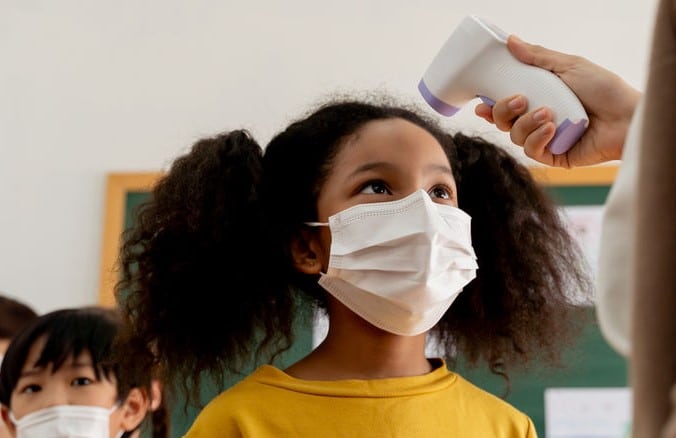
March 22, 2021
Although some schools have been open in person for months, some larger districts are just beginning to welcome students back on campus. Children, families, educators, and medical professionals have mixed feelings. To help you support different patient populations as they return to school, we talked to Jennifer Walton, MD, MPH, a co-author of a call for an “URGENT Coordinated Effort to Re-Open Schools” by the National Medical Association (NMA). Dr. Walton is chair of the NMA’s Pediatric Section, an assistant professor of clinical pediatrics at The Ohio State University, and a developmental behavioral pediatrician at Nationwide Children’s Hospital.
Read Article
June 29, 2020
Once pediatric primary care providers (PCPs) recognize the importance of having conversations about race with their patients and families, the next question is how to begin.
Read Article
June 23, 2020
“The first thing clinicians need to know about racism and discrimination is how important it is to talk about it.” Open, honest, and effective conversations about race and racism are crucial to young people’s mental health.
Read Article
February 12, 2020
As suicidality among adolescents generally has declined in the past three decades, suicide attempts among Black adolescents have risen, according to a November 2019 article in Pediatrics. A report to the Congressional Black Caucus (CBC) says that rates of suicide death have risen more for Black youth than for any other racial or ethnic group. A growing concern is that Black youth are less likely to report suicidal thoughts but more likely to attempt suicide; Black males are more likely to suffer injury or death as a result. Suicidality is also increasing among younger children. The reasons for these changes are not clear. However, the risk factors for suicidality and underlying mental health conditions among Black children and youth are myriad.
Read ArticleFrom sponsoring a full training cohort to funding an individual scholarship, every dollar expands access to evidence-based mental health care in the communities that need it most.
Explore Ways to GiveGet the latest research, training updates, and practical tools
delivered to your inbox. Join thousands of clinicians working to
improve pediatric mental health outcomes.
Follow us on LinkedIn
Thank you to our alumni community and supporters for joining us! Your dedication to children's mental health inspired us, and we're excited about what we can accomplish together over the next 20 years. 💚

Thank you to the dedicated clinicians who joined our inaugural Alumni Conference! It was a wonderful day of learning, connecting, and sharing ideas. It's always heartening to bring our community together, and it continues to inspire…

Suicide prevention is not limited to one setting or one type of clinician. Children and adolescents may first share concerns about their mental health with a trusted pediatrician or primary care clinician, making it especially important…

What happens when primary care clinicians are given more tools to address children’s mental health? This article from Cook Children’s Health Care System shares how REACH training helped equip pediatricians with practical tools to more confidently…
GET IN TOUCH