
October 1, 2026
Thank you to our alumni community and supporters for joining us! Your dedication to children's mental health inspired us, and we're excited about what we can accomplish together over the next 20 years. 💚



Blog
ARCHIVE

October 20, 2021
Many patients who have mental health conditions need talk therapy in addition to the treatment you provide as the pediatric primary care provider (PCP). If you practice in an area where therapists are available, we hope you have developed referral relationships, as you learned in your REACH training. You may also see patients who are already working with a therapist. In either case, the communication between you and the therapist makes a huge difference in the quality of care the two of you provide. To learn how PCPs and therapists can collaborate to improve the mental health of children and adolescents, we talked with clinical psychologist Kevin Stark, PhD, a founder of The REACH Institute’s CATIE program, and pediatrician Hilary Bowers, MD, director of behavioral and mental health services at Children’s Primary Care Medical Group, a large pediatric practice in San Diego and Riverside counties in California.
Read Article
May 27, 2021
More than 40,000 children have lost a parent due to COVID-19. Black children, who constitute 14% of children in the US, are 20% of those who have lost a parent. Chances are good, then, that some of your patients have been through one of the most significant losses they will experience in their whole lives. The support they receive now to grieve in a healthy way can make the difference between their ability to thrive and their descent into adverse outcomes ranging from school failure to death by suicide.
Read Article
February 22, 2021
“Parents who are going through a divorce really want to believe their children are OK,” said Lisa Blum, PsyD, a licensed clinical therapist on the faculty of The REACH Institute’s CATIE program. “They’re terrified that they’re hurting their kids. So if Sally is doing her homework and Johnny isn’t acting out, the parents think, ‘Whew, good, they’re fine!’ But often they’re not fine.” Though divorce rates in the US have been declining for years – including, according to early reports, during 2020 – the rates are still high. Each divorce or separation brings loss, disruption, and pain to any children involved.
Read Article
January 12, 2021
2021 brings big changes to coding for mental health visits in pediatric primary care! The new coding guidelines issued by the Centers for Medicare and Medicaid Services (CMS) reduce the documentation burden and increase the levels of payment (work relative value units or wRVUs).
Read Article
November 17, 2020
If you’re like most pediatric primary care providers (PCPs), you’ve seen an increase in child mental health issues due to COVID. Research shows that the pandemic, with its consequent disruption and isolation, has increased adolescents’ risk of trauma, depression, and anxiety. Families are dealing with grief, the anxiety of whatever “school” means this week or this month, and, in many cases, loss of income. Families of color and low-income families have been hardest hit by the pandemic itself, by the economic and social fallout, and by the attendant impairment of mental health. And now come the holidays.
Read Article
June 29, 2020
Once pediatric primary care providers (PCPs) recognize the importance of having conversations about race with their patients and families, the next question is how to begin.
Read Article
June 23, 2020
“The first thing clinicians need to know about racism and discrimination is how important it is to talk about it.” Open, honest, and effective conversations about race and racism are crucial to young people’s mental health.
Read Article
February 12, 2020
As suicidality among adolescents generally has declined in the past three decades, suicide attempts among Black adolescents have risen, according to a November 2019 article in Pediatrics. A report to the Congressional Black Caucus (CBC) says that rates of suicide death have risen more for Black youth than for any other racial or ethnic group. A growing concern is that Black youth are less likely to report suicidal thoughts but more likely to attempt suicide; Black males are more likely to suffer injury or death as a result. Suicidality is also increasing among younger children. The reasons for these changes are not clear. However, the risk factors for suicidality and underlying mental health conditions among Black children and youth are myriad.
Read Article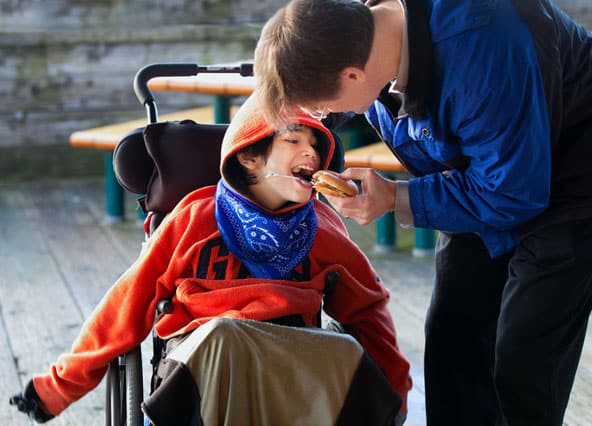
January 27, 2020
In treating young patients who have chronic physical conditions, health care professionals focus — as they must — on alleviating the physical suffering caused by the disease. However, as a graduate of the REACH course Patient-Centered Mental Health in Pediatric Primary Care, you know the importance of supporting the mental and emotional health of young patients and their caregivers. A new article in Pediatrics highlights the importance of mental health care for families dealing with chronic illness.
Read ArticleFrom sponsoring a full training cohort to funding an individual scholarship, every dollar expands access to evidence-based mental health care in the communities that need it most.
Explore Ways to GiveGet the latest research, training updates, and practical tools
delivered to your inbox. Join thousands of clinicians working to
improve pediatric mental health outcomes.
Follow us on LinkedIn
Thank you to our alumni community and supporters for joining us! Your dedication to children's mental health inspired us, and we're excited about what we can accomplish together over the next 20 years. 💚

Thank you to the dedicated clinicians who joined our inaugural Alumni Conference! It was a wonderful day of learning, connecting, and sharing ideas. It's always heartening to bring our community together, and it continues to inspire…

Suicide prevention is not limited to one setting or one type of clinician. Children and adolescents may first share concerns about their mental health with a trusted pediatrician or primary care clinician, making it especially important…

What happens when primary care clinicians are given more tools to address children’s mental health? This article from Cook Children’s Health Care System shares how REACH training helped equip pediatricians with practical tools to more confidently…
GET IN TOUCH