
October 1, 2026
Thank you to our alumni community and supporters for joining us! Your dedication to children's mental health inspired us, and we're excited about what we can accomplish together over the next 20 years. 💚



Blog
ARCHIVE

November 25, 2025
“Kids seldom come into your office and say, ‘I want to talk about bullying,’” explains REACH faculty member Ron Marino, DO/MPH. “Often, as clinicians, the only indication we have that a child is being bullied are changes in their behavior or new mental health symptoms. It’s our job to notice these changes and take appropriate
Read Article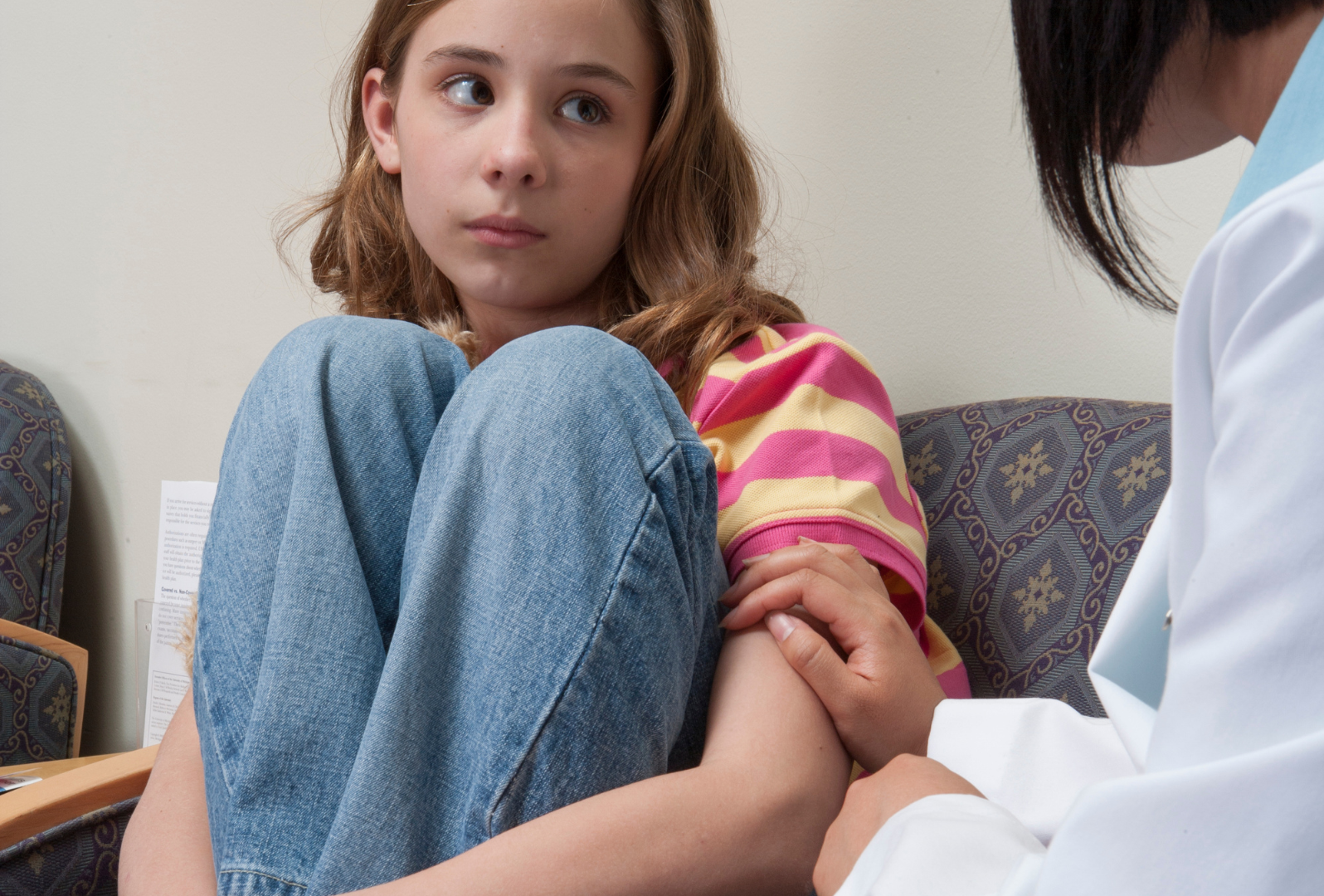
September 12, 2025
“The first time you ask a kid about suicide, it’s scary,” explains Eugene Hershorin, MD, a developmental pediatrician and REACH faculty member. “But navigating that fear and asking the question can save a child’s life.” Research shows that primary care providers have a critical role to play in suicide prevention. Among youth, 80% of those
Read Article
August 21, 2025
“Mental health disorders and substance use are a very common comorbidity, including among youth cannabis users,” shares child and adolescent psychiatrist Blair Ritchie, MD FRCPC. With 40% of youth reporting prior cannabis use, pediatric primary care providers are increasingly likely to see patients in this population who also have mental health needs. Research on the
Read Article
July 23, 2025
“Parents want to feel like they’re part of the solution for their child’s mental health needs. As pediatric primary care providers, we can help make that possible by being thoughtful in how we navigate cultural differences,” explains Noor Jihan Abdul-Haqq, MD, a REACH faculty member and pediatrician with her own practice in Oklahoma City, OK.
Read Article
June 26, 2025
“Evaluating and treating mental health problems in under- or uninsured pediatric patients often presents more challenges, but it is even more rewarding when you are able to provide life-changing mental health care,” explains Natalie Robiou, MD, a pediatric primary care provider at a Federally Qualified Health Center (FQHC) in Philadelphia, PA. The number of pediatric
Read Article
May 22, 2025
When providers attend their first Patient-Centered Mental Health in Pediatric Primary Care (PPP) training with REACH, many leave feeling empowered and excited to implement their new knowledge. But having evidence-based tools is only the first step in supporting mental health for children and adolescents. We asked several PPP alumni—and one who is now a faculty
Read Article
January 30, 2025
“Clinicians who are aware of and know how to direct parents to obtain services for children within the school system can make an enormous difference for patients and families,” explains Dr. Mark Wolraich, MD, a REACH faculty member and retired professor of pediatrics at the University of Oklahoma Health Sciences Center. The challenge for clinicians
Read Article
December 19, 2024
“Even among skilled clinicians, misconceptions about obsessive-compulsive disorder or OCD can delay diagnosis and treatment,” explains Carla E. Marin, Ph.D., a licensed psychologist and Assistant Professor at Yale School of Medicine. With common sayings like “we’re all a little OCD” and representations of OCD that center on germs and handwashing, getting a clear picture of
Read Article
November 21, 2024
“Many primary care providers are still coding by medical decision-making for mental health care,” explains Eugene Hershorin, MD, a REACH faculty member and medical coding expert. “However, time-based coding is both easier and often results in higher coding levels and therefore higher payment rates, especially for pediatric patients who require ongoing care for mental health
Read ArticleFrom sponsoring a full training cohort to funding an individual scholarship, every dollar expands access to evidence-based mental health care in the communities that need it most.
Explore Ways to GiveGet the latest research, training updates, and practical tools
delivered to your inbox. Join thousands of clinicians working to
improve pediatric mental health outcomes.
Follow us on LinkedIn
Thank you to our alumni community and supporters for joining us! Your dedication to children's mental health inspired us, and we're excited about what we can accomplish together over the next 20 years. 💚

Thank you to the dedicated clinicians who joined our inaugural Alumni Conference! It was a wonderful day of learning, connecting, and sharing ideas. It's always heartening to bring our community together, and it continues to inspire…

Suicide prevention is not limited to one setting or one type of clinician. Children and adolescents may first share concerns about their mental health with a trusted pediatrician or primary care clinician, making it especially important…

What happens when primary care clinicians are given more tools to address children’s mental health? This article from Cook Children’s Health Care System shares how REACH training helped equip pediatricians with practical tools to more confidently…
GET IN TOUCH