
October 1, 2026
Thank you to our alumni community and supporters for joining us! Your dedication to children's mental health inspired us, and we're excited about what we can accomplish together over the next 20 years. 💚



Blog
ARCHIVE

November 17, 2020
If you’re like most pediatric primary care providers (PCPs), you’ve seen an increase in child mental health issues due to COVID. Research shows that the pandemic, with its consequent disruption and isolation, has increased adolescents’ risk of trauma, depression, and anxiety. Families are dealing with grief, the anxiety of whatever “school” means this week or this month, and, in many cases, loss of income. Families of color and low-income families have been hardest hit by the pandemic itself, by the economic and social fallout, and by the attendant impairment of mental health. And now come the holidays.
Read Article
October 13, 2020
You’re in the consultation room with Anita, who first brought her 15-year-old son Vic to you two weeks ago. Vic has been suspended from school several times for increasingly dangerous behavior. Anita uses a wheelchair because she has multiple sclerosis. Today she is distraught. Last night, she forbade Vic to leave the house, but he went anyway. He didn’t come home last night or go to school this morning. Anita has called everyone she can think of, but no one knows where he is. The police won’t help until he has been missing at least 24 hours. Anita has come to you as a last resort. When you saw Vic, you were troubled by his history of uncontrolled behavior and his uncooperative stance. You were hoping to get him to open up in a follow-up visit. But now Anita is here alone, frantic because she doesn’t know where Vic is. What do you do?
Read Article
July 23, 2020
“Families provide a kind of protective membrane for children when crazy things are happening around them,” said William Saltzman, PhD. Dr. Saltzman is a faculty member of the REACH program Child/Adolescent Training in Evidence-Based Psychotherapies. “Families really have been on the front line throughout the pandemic,” Dr. Saltzman said. “It’s been a rollercoaster ride from the beginning, with abrupt school shutdowns; the exhaustion of becoming the 24/7 caregiver, teacher, playmate, and breadwinner; and now having to figure out largely on their own how to navigate the upcoming school year.”
Read Article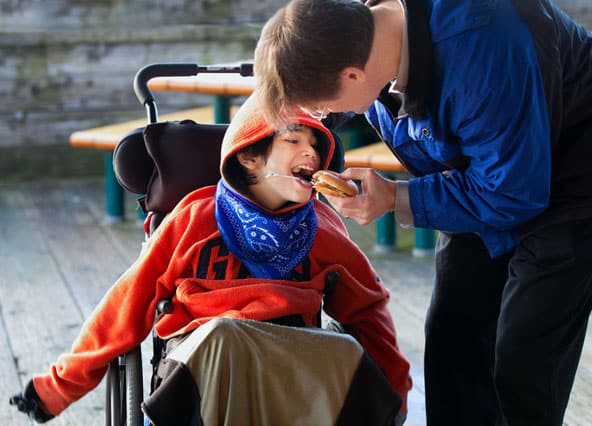
January 27, 2020
In treating young patients who have chronic physical conditions, health care professionals focus — as they must — on alleviating the physical suffering caused by the disease. However, as a graduate of the REACH course Patient-Centered Mental Health in Pediatric Primary Care, you know the importance of supporting the mental and emotional health of young patients and their caregivers. A new article in Pediatrics highlights the importance of mental health care for families dealing with chronic illness.
Read Article
July 24, 2019
“Going to college is exciting, but students need to know that this experience, though positive, may also be stressful,” said REACH faculty member Elena Man, MD. Dr. Man recommends resources and strategies that pediatric primary care clinicians can use to prepare patients for this significant transition to a new environment for learning, living, and friendships.
Read Article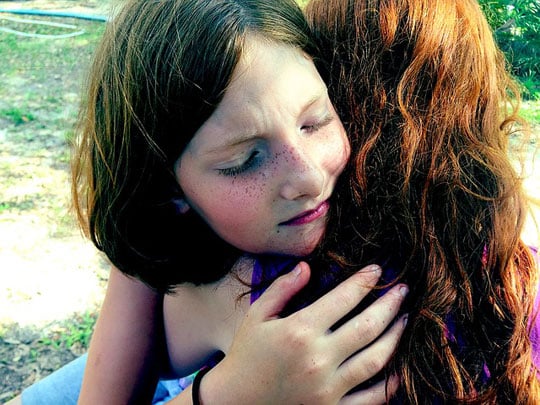
May 13, 2019
“Mental health flows in both directions, not just downhill from parent to child,” said Peter S. Jensen, MD, founder and board chair of The REACH Institute. The effects on children when caregivers suffer from mental health problems are well documented (see Resources below). Another pattern is that parents and children can share an inherited tendency toward the same disorder. Furthermore, a child’s struggles can trigger disorders such as depression or anxiety in a caregiver. “Blaming parents for their children’s mental health issues is not only a tactical mistake,” said Dr. Jensen, “it’s also simply incorrect.” Pediatric practitioners have to tread carefully when they suspect that the caregiver of a child they are treating has mental health issues.
Read ArticleFrom sponsoring a full training cohort to funding an individual scholarship, every dollar expands access to evidence-based mental health care in the communities that need it most.
Explore Ways to GiveGet the latest research, training updates, and practical tools
delivered to your inbox. Join thousands of clinicians working to
improve pediatric mental health outcomes.
Follow us on LinkedIn
Thank you to our alumni community and supporters for joining us! Your dedication to children's mental health inspired us, and we're excited about what we can accomplish together over the next 20 years. 💚

Thank you to the dedicated clinicians who joined our inaugural Alumni Conference! It was a wonderful day of learning, connecting, and sharing ideas. It's always heartening to bring our community together, and it continues to inspire…

Suicide prevention is not limited to one setting or one type of clinician. Children and adolescents may first share concerns about their mental health with a trusted pediatrician or primary care clinician, making it especially important…

What happens when primary care clinicians are given more tools to address children’s mental health? This article from Cook Children’s Health Care System shares how REACH training helped equip pediatricians with practical tools to more confidently…
GET IN TOUCH