
October 1, 2026
Thank you to our alumni community and supporters for joining us! Your dedication to children's mental health inspired us, and we're excited about what we can accomplish together over the next 20 years. 💚



Blog
ARCHIVE

March 14, 2020
We don’t have to tell you that virtually everyone feels anxious about the spread of COVID-19. An appropriate level of anxiety can be helpful if it inspires people to follow CDC recommendations on hygiene and social distancing. An unnecessary level of anxiety, however, can impair both mental and physical health. Many of your patients and families are suffering from unhealthy anxiety–whether they present with possible COVID-19 symptoms or come in for an unrelated complaint.
Read Article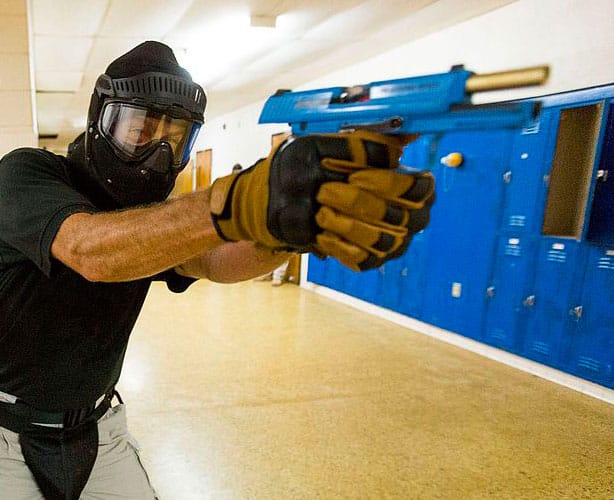
September 18, 2019
According to the National Center for Education Statistics, 92% of public schools had formal active shooter plans in 2016, and 96% conducted lockdown drills. These measures are intended to keep children safe, but they may do as much harm as good. The title of a September 4 New York Times article sums it up: “When Active Shooter Drills Scare the Children They Hope to Protect.” We asked REACH faculty member Jasmine Reese, MD, MPH, about how students react to active shooter drills and what pediatric primary care providers (PCPs) can do. Dr. Reese is Director of the Adolescent and Young Adult Specialty Clinic at Johns Hopkins All Children’s Hospital in St. Petersburg, Florida. “We have yet to see data on whether these drills are causing more anxiety and other mental health issues among students,” said Dr. Reese. “But it seems clear in practice that they can either cause anxiety and depression or exacerbate existing issues.”
Read ArticleFrom sponsoring a full training cohort to funding an individual scholarship, every dollar expands access to evidence-based mental health care in the communities that need it most.
Explore Ways to GiveGet the latest research, training updates, and practical tools
delivered to your inbox. Join thousands of clinicians working to
improve pediatric mental health outcomes.
Follow us on LinkedIn
Thank you to our alumni community and supporters for joining us! Your dedication to children's mental health inspired us, and we're excited about what we can accomplish together over the next 20 years. 💚

Thank you to the dedicated clinicians who joined our inaugural Alumni Conference! It was a wonderful day of learning, connecting, and sharing ideas. It's always heartening to bring our community together, and it continues to inspire…

Suicide prevention is not limited to one setting or one type of clinician. Children and adolescents may first share concerns about their mental health with a trusted pediatrician or primary care clinician, making it especially important…

What happens when primary care clinicians are given more tools to address children’s mental health? This article from Cook Children’s Health Care System shares how REACH training helped equip pediatricians with practical tools to more confidently…
GET IN TOUCH